
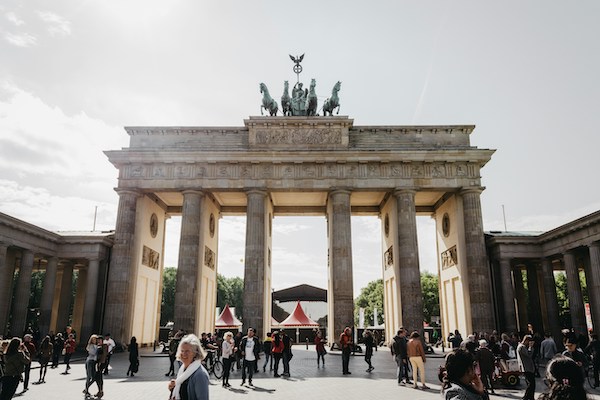

Germany is a country that seamlessly blends the old with the new. From fairy-tale castles nestled in the Bavarian Alps to the avant-garde art scene in Berlin, Germany offers something for every kind of traveler. Let’s dive into some of the best places to visit in Germany — spots that will capture your heart and imagination.
Berlin: A City That Never Sleeps
If you’re a fan of history, art, and nightlife, Berlin is your playground. The city brims with an eclectic mix of attractions — from the sobering Berlin Wall Memorial to the vibrant street art in Kreuzberg. And let’s not forget the Brandenburg Gate, an iconic symbol of Germany’s reunification.
Ever wandered through a city that feels like an open-air museum? That’s Berlin for you. The city’s past is woven into its very fabric, and yet, it pulses with a youthful energy that’s hard to resist.
Munich: Bavaria’s Crown Jewel
Munich is where tradition meets modern vibrancy. Picture this: wandering through the bustling Viktualienmarkt, a daily food market, with a pretzel in one hand and a stein of beer in the other. Sounds perfect, right?
It’s not all about Oktoberfest — although that’s quite the experience. Munich is home to stunning architecture like the Nymphenburg Palace and the Frauenkirche. Each offers a glimpse into the grandeur of Bavaria’s past.
Neuschwanstein Castle: A Fairy-Tale Dream
Have you ever wondered where Disney got its inspiration for Sleeping Beauty’s castle? Look no further than Neuschwanstein Castle. Nestled in the picturesque Bavarian countryside, this 19th-century Romanesque Revival palace is a testament to “Mad” King Ludwig II’s wild imagination.
Visiting Neuschwanstein is like stepping into a storybook. The views over the surrounding landscape are nothing short of magical, especially in winter when snow blankets the ground.
Hamburg: Germany’s Gateway to the World
As Germany’s second-largest city, Hamburg is a bustling port city with a rich maritime history. The Elbphilharmonie concert hall is a modern architectural marvel, offering breathtaking views of the Elbe River.
But Hamburg is not just about towering ships and historic warehouses. It’s a city of parks and gardens, and the nightlife? It’s top-notch. The infamous Reeperbahn in the St. Pauli district has something for everyone — from trendy bars to live music venues.
The Romantic Road: A Journey Through Time
Looking for a scenic drive through quintessential German landscapes? The Romantic Road is your answer. This 350-kilometer route takes you through charming towns like Rothenburg ob der Tauber and Würzburg. Each stop feels like taking a step back in time, with half-timbered houses and cobblestone streets welcoming you warmly.
It’s a photographer’s dream — every turn offers a postcard-perfect view. And if you’re traveling by car, don’t rush. Take your time to explore the small towns along the way.
FAQ
What is the best time to visit Germany?
The best time to visit Germany depends on what you’re looking for. If you love festivals and beer, visit during late September to early October for Oktoberfest. Spring (April to June) and fall (September to October) offer mild weather and fewer crowds, ideal for exploring cities and cultural sites.
How many days do I need to explore Germany?
Germany is a vast country with diverse attractions. For a comprehensive experience, plan at least 10 to 14 days. This time frame allows you to visit major cities like Berlin, Munich, and Hamburg while exploring scenic routes like the Romantic Road.
Is it easy to travel around Germany?
Absolutely! Germany has an excellent public transportation system. Trains are efficient, and most cities have well-connected bus and tram services. Consider getting a Eurail pass if you’re planning to explore multiple cities by train.
Are there any hidden gems in Germany worth visiting?
Aside from the famous spots, Germany is full of hidden gems. Consider visiting Quedlinburg with its medieval charm or the serene island of Sylt in the North Sea. Both offer unique experiences away from the tourist crowds.
Do I need to speak German to travel around Germany?
While it’s always helpful to know some basic phrases, most Germans speak English, especially in urban areas and tourist spots. However, a friendly “Guten Tag” (Hello) or “Danke” (Thank you) can go a long way.
0 Comment