

If you’ve ever dreamed of wandering through fairy-tale castles, relishing world-class beer, or losing yourself in the history and culture of an enchanting land, then this Germany travel guide is your ticket to Europe’s heart. Germany isn’t just Bavaria’s rolling hills or Berlin’s vibrant art scene; it’s a tapestry of experiences just waiting for you to unravel.
Exploring Germany’s Iconic Landmarks
Let’s start with the must-sees. Everyone knows about Neuschwanstein Castle—a structure so whimsical it inspired Disney’s Cinderella Castle. But did you know it was never actually finished? The story behind it is as captivating as the view from its towers. From here, you can take a scenic drive along the Romantic Road, passing quaint towns that look as if they’ve leapt from a storybook.
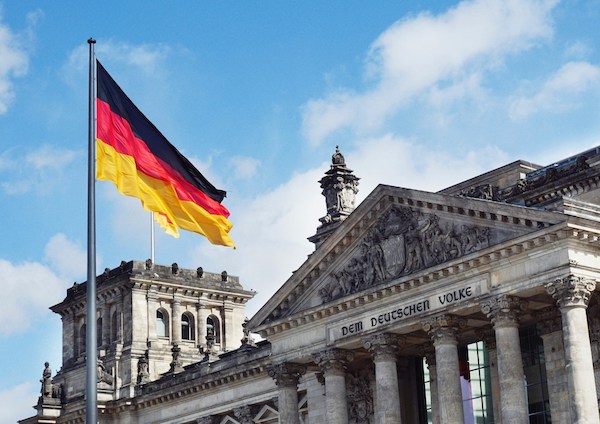
Then there’s Berlin. More than just the capital, it’s a living history lesson. Stand before the Brandenburg Gate—they say if these walls could talk, they’d recount tales of division and unity. Walk along remnants of the Berlin Wall, now adorned with art and poignant messages. And don’t miss the Reichstag, where history and modernity intertwine with its glass dome overlooking the city.
Delving into Local Culture
Germany is a country of contrasts. Munich, with its beer gardens and traditional lederhosen, celebrates Bavarian culture in full swing. Visit during Oktoberfest, and you might just find yourself dancing on tables with a stein in hand. It’s not just about beer though—Germany’s wine regions, like the Rhine Valley, offer a different, yet equally intoxicating taste of the country.
In contrast, Hamburg offers a maritime vibe. Picture canals lined with red-bricked warehouses, and a bustling port more than a thousand years old. Try a fish sandwich at the bustling Fischmarkt, and you’ll taste a tradition as old as the city itself.
Getting Around: The German Way
Traveling through Germany is a breeze—thanks to its efficient transport network. The Deutsche Bahn railway service connects major cities like Frankfurt, Munich, and Hamburg. For a more scenic route, hop on a regional train and watch the countryside unfold outside your window. If you prefer a flexible itinerary, consider renting a car to explore at your own pace. Just remember, Germany’s autobahns are famous for sections with no speed limits—exciting, right?
Local Tips for an Authentic Experience
Now, let’s talk about experiencing Germany like a local. First, never rush a meal—Germans value their time at the table, whether it’s a quick coffee or a family dinner. Speaking of meals, venture beyond schnitzel and bratwurst. Try local specialties like spätzle (a type of pasta) or eisbein (pork knuckle). Trust me, your taste buds will thank you.
Engage in small talk—it might seem trivial, but saying “Guten Tag” or “Auf Wiedersehen” can open doors to warmer interactions. Most Germans speak English, but they appreciate an effort to converse in their language, no matter how small.
FAQs About Traveling in Germany
What is the best time of year to visit Germany?
It depends on what you’re after. Spring (April-May) offers mild weather and fewer crowds. Summer (June-August) is vibrant with festivals and outdoor activities. Fall (September-October) is perfect for Oktoberfest and beautiful autumn colors, while winter (November-December) enchants with Christmas markets.
Do I need to know German to travel around?
Not necessarily. While knowing basic phrases can enhance your experience, many Germans speak English, especially in tourist areas. Bringing a phrasebook or using a translation app can be handy for more remote regions.
What’s the best way to get around Germany?
The train system is excellent for traveling between cities, while regional trains and buses serve smaller towns. Consider a rail pass if you plan extensive train travel. Alternatively, renting a car can be ideal for exploring the countryside.
Are there any travel restrictions I should be aware of?
Travel restrictions can vary, especially post-pandemic. Always check the latest travel advisories and entry requirements before your trip. It’s also wise to have travel insurance for any health-related uncertainties.
What currency is used in Germany?
Germany uses the Euro (€). Credit and debit cards are widely accepted, but it’s a good idea to have some cash on hand for small purchases or in case you visit smaller towns where cash is preferred.
How safe is Germany for tourists?
Germany is considered a safe destination for tourists. Like any place, it’s important to stay aware of your surroundings and keep an eye on your belongings, especially in crowded areas. Trust your instincts, just as you would anywhere else.
0 Comment