
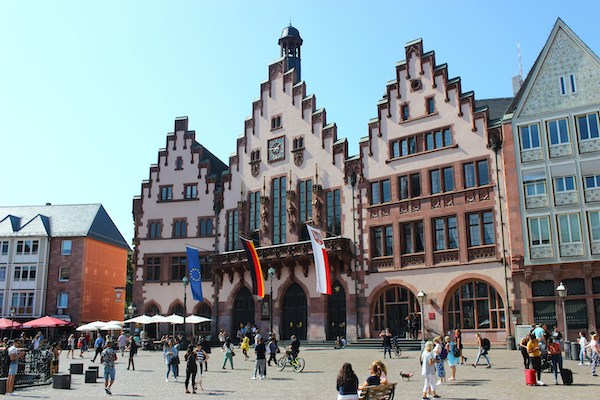

When you think of Germany, what comes to mind? Is it the sound of beer mugs clinking at Oktoberfest or the fairytale spires of Neuschwanstein Castle? Perhaps it’s the bustling streets of Berlin, where history and modernity collide. Germany is all this and so much more—a place where every traveler finds something that touches their soul. Let’s explore some unforgettable things to do in Germany, shall we?
Explore the Rich History of Berlin
Berlin, the capital city, is a must-visit for anyone venturing into Germany. A walk through the city reveals layers of history—from the Brandenburg Gate to the haunting remnants of the Berlin Wall. But Berlin isn’t just a city trapped in the past; it’s a vibrant hub of creativity and culture. Fancy some nightlife? Head to Kreuzberg for its eclectic bars and clubs.
Visit the Iconic Museums
If museums are your thing, Museum Island is your paradise. Five world-renowned museums, including the Pergamon Museum, are located here. Each one offers a deep dive into art and history, making it worth spending an entire day exploring.
Experience the Magic of Bavarian Castles
Ever wanted to step into a real-life fairytale? Bavaria is where you’ll find the iconic Neuschwanstein Castle, which inspired Disney’s Sleeping Beauty Castle. Nestled in the Alps, this 19th-century Romanesque Revival palace was commissioned by Ludwig II and is a jaw-dropping sight.
Take a Scenic Train Ride
Getting to Neuschwanstein is half the fun. Hop on a train from Munich, and you’ll find yourself gazing out at rolling hills and charming villages—perfect for Instagram, if you’re into that sort of thing.
Indulge in German Cuisine
Let’s talk food, because who doesn’t love a good meal, right? Germany offers a culinary experience as diverse as its landscapes. Try traditional sausages and sauerkraut or dive into a hearty plate of schnitzel. And yes, vegetarian options have come a long way too!
Join Oktoberfest in Munich
Speaking of indulgence, Oktoberfest in Munich is the ultimate celebration of Bavarian culture. Imagine massive tents filled with laughter, music, and of course, beer. Even if you’re not a drinker, the atmosphere is infectious.
Discover the Natural Beauty of the Black Forest
Ever hear stories about the Black Forest? It’s as enchanting as folk tales suggest. This densely wooded region is perfect for hiking, biking, or simply relaxing by a serene lake. You might even find a cuckoo clock or two, as the area is famous for them.
Explore Charming Villages
Don’t miss the picturesque villages like Triberg or Baden-Baden. They offer a slower pace and a chance to experience traditional German hospitality.
FAQs About Traveling in Germany
What is the best time to visit Germany?
Germany is a year-round destination, but the best time depends on what you’re looking to do. Spring and fall offer pleasant weather and are ideal for sightseeing. If you’re interested in festivals like Oktoberfest, visiting in late September to early October is a must.
How can I get around in Germany?
The German public transport system is efficient and extensive. Trains are a great way to travel between cities, and local transport networks are reliable. Renting a car can also be a fun option if you plan to explore rural areas or the Romantic Road.
Is Germany expensive to visit?
Germany is relatively affordable compared to other Western European countries. While cities like Munich and Hamburg can be pricey, there are always budget options available. Consider staying in hostels or guesthouses to save money.
Do I need to speak German?
While knowing some basic German phrases is helpful, it’s not necessary. Most Germans speak English, especially in tourist areas. You’ll find that locals appreciate attempts to speak their language, even if it’s just a simple “Danke” (thank you).
What should I pack for a trip to Germany?
It depends on the season. Summers can be warm, so light clothing is fine, but always carry a jacket for evening chills. Winters require heavier clothing, especially if you’re heading to the Alps for skiing.
Are credit cards widely accepted?
Yes, but it’s always a good idea to carry some cash, as smaller shops and restaurants may not accept cards. ATMs are widely available, so withdrawing euros is easy.
0 Comment