
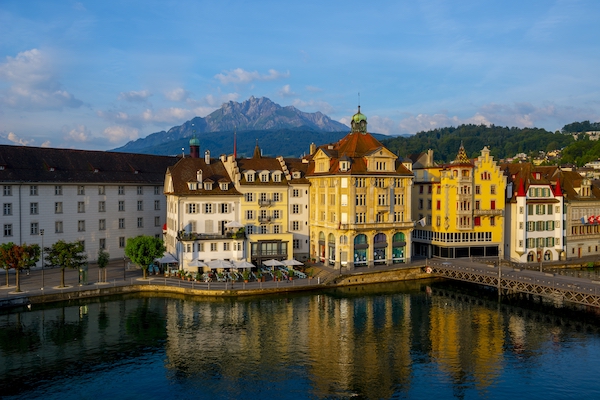

When you think of Switzerland, what comes to mind? Perhaps it’s the snow-capped Alps or the aromatic scent of Swiss chocolate wafting through quaint towns. But, let me tell you, there’s so much more to this beautiful country. In this Switzerland travel guide, we’ll explore everything from iconic landmarks to hidden gems. Whether it’s your first trip or your tenth, there’s always something new to discover. Ready to dive in?
Why Switzerland?
Switzerland is a place that can truly capture your heart. It’s not just the postcard-perfect landscapes or the efficient trains whisking you from one charming city to another — it’s the feel of the place. The blend of cultures, languages, and cuisines makes every corner a new adventure. Imagine hiking trails that lead you to serene lakes, or wandering through medieval towns where history whispers from every cobblestone. Sounds enticing, doesn’t it?
Getting Around: The Swiss Way
One of the joys of exploring Switzerland is its seamless transportation. The Swiss Travel Pass is your golden ticket here. It grants unlimited travel on the country’s public transport network, which includes trains, buses, and boats — yes, boats! Riding a train through the Swiss countryside is like flipping through a nature magazine. Each turn reveals a view more breathtaking than the last.
Trains: More Than Just Transit
Trains in Switzerland are an experience in themselves. The Glacier Express, for instance, offers panoramic views that are nothing short of cinematic. Picture this: sipping on a warm beverage while snow-draped mountains glide past your window. Now that’s travel.
Must-See Destinations
Switzerland has no shortage of breathtaking destinations. Here’s a quick rundown of places you should consider:
- Zermatt – Home to the famous Matterhorn, Zermatt is a haven for hikers and skiers alike.
- Lucerne – Known for its preserved medieval architecture and stunning lake views.
- Interlaken – Nestled between lakes and mountains, it’s perfect for adrenaline seekers.
- Geneva – A hub of diplomacy with a cosmopolitan vibe, surrounded by natural beauty.
Swiss Cuisine: More Than Just Cheese and Chocolate
Swiss food is as diverse as its landscape. Sure, you have your fondue and chocolate — and trust me, they are worth all the hype. But there’s also the hearty Rösti, a potato dish that will warm your soul. Try visiting a local market for fresh produce and Swiss cheeses you won’t find anywhere else. And if you’re a coffee aficionado, enjoy a café crème at a cozy café, watching the world go by.
Insider Tips for Travelers
Here are a few pointers to keep in mind:
- Weather – Be prepared for sudden changes, especially if you’re heading into the mountains.
- Language – Switzerland has four national languages. English works well, but a few phrases in German, French, or Italian can go a long way.
- Currency – The Swiss Franc is the currency here, and while many places accept Euros, the exchange rate might not be favorable.
FAQ: Your Questions Answered
What is the best time to visit Switzerland?
It really depends on what you’re looking for. Winter (December to February) is perfect for skiing and snowy landscapes. Spring (March to May) brings blooming flowers and fewer crowds. Summer (June to August) is ideal for hiking and outdoor activities. Autumn (September to November) offers stunning fall foliage and pleasant weather.
Do I need a visa to travel to Switzerland?
This depends on your nationality. Citizens of the EU, EEA, and several other countries, including the USA and Canada, can enter Switzerland without a visa for stays up to 90 days. Always check the latest requirements before you travel.
What is the cost of traveling in Switzerland?
Switzerland is known for being on the pricier side. However, you can manage costs by staying in hostels, using the Swiss Travel Pass, and enjoying picnics with local produce. Dining at local spots rather than tourist-heavy areas can also help your budget.
How do I handle the language barrier?
While Switzerland has four official languages, English is widely spoken, especially in tourist areas. Learning a few basic phrases in the local language (German, French, Italian, or Romansh) can enhance your experience and is often appreciated by locals.
What should I pack for my trip?
Layers are your best friend in Switzerland. Weather can be unpredictable, particularly in mountainous regions. Good walking shoes, a waterproof jacket, and a power adapter (Switzerland uses type C and J plugs) are essentials.
0 Comment