
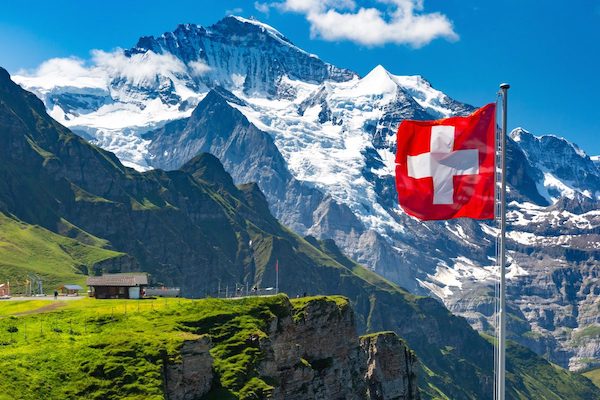

Imagine stepping out into a world where every view looks like a postcard. That’s the magic of the Swiss Alps—a landscape that seems designed to steal your breath away at every turn. If you’re planning a trip here, I’ve got you covered with the perfect Swiss Alps travel itinerary. It’s like having a trusted friend walk you through these awe-inspiring mountains and picturesque villages.
Day 1: Arrival in Zurich
Start your journey in Zurich, a city that beautifully balances urban flair with natural beauty. Spend your first day exploring the Old Town’s cobblestone streets and marvel at the Grossmünster Church. Don’t forget to indulge in some Swiss chocolate—trust me, it’s a taste of heaven.
Where to Stay:
Consider staying at a hotel near Zurich’s main train station, making it easier for you to hop on a train to the heart of the Alps the next day.
Day 2: Zurich to Lucerne
Hop on a morning train to Lucerne. This charming city is the gateway to central Switzerland, surrounded by snow-capped mountains and a sparkling lake. Wander across the iconic Chapel Bridge, enjoy some Swiss fondue, and if you’re feeling adventurous, take a paddle steamer cruise on Lake Lucerne.
Must-See:
- Chapel Bridge: A stunning medieval wooden bridge with a rich history.
- Mount Pilatus: Take the world’s steepest cogwheel railway for breathtaking views.
Day 3: Lucerne to Interlaken
Your Swiss Alps travel itinerary takes a more alpine turn. Travel to Interlaken, nestled between Lake Thun and Lake Brienz. It’s a hub for adventure sports, so whether you fancy paragliding or just a peaceful hike, Interlaken has it all.
Insider Tip:
Consider a sunset cruise on Lake Thun. It’s as romantic as it sounds.
Day 4: Jungfraujoch – Top of Europe
No trip to the Swiss Alps is complete without visiting Jungfraujoch. It’s the highest railway station in Europe, and the journey there is nothing short of spectacular. Once you arrive, you’ll find yourself in a winter wonderland—year-round!
Activities:
- Visit the Ice Palace and its stunning sculptures.
- Step out onto the Aletsch Glacier for a sense of scale and wonder.
Day 5: Interlaken to Zermatt
Travel to Zermatt, a car-free village at the foot of the iconic Matterhorn. Spend the day exploring this charming town or take a cable car up to Gornergrat for jaw-dropping views of the surrounding peaks.
Don’t Miss:
The Matterhorn Museum, where you can dive into the region’s history and mountaineering lore.
Day 6: Glacier Express to St. Moritz
Board the Glacier Express, often dubbed the world’s most scenic train ride. The journey from Zermatt to St. Moritz takes you through untouched landscapes—forests, mountain passes, and quaint villages.
What to Expect:
This isn’t just transport; it’s an experience. Each turn of the track reveals vistas you’ll remember for a lifetime.
Day 7: Relax in St. Moritz
Your Swiss Alps travel itinerary concludes in St. Moritz, a luxe resort town known for its winter sports and high-end shopping. Unwind at the mineral springs or take a leisurely stroll around Lake St. Moritz.
Recommendation:
If time permits, treat yourself to a spa day. After a week of exploring, you deserve it.
FAQs About Traveling in the Swiss Alps
How do I get around in the Swiss Alps?
The Swiss Travel System is your best friend—trains, buses, and boats are interconnected and offer a seamless way to explore. Consider a Swiss Travel Pass for unlimited travel and savings on many attractions.
When is the best time to visit the Swiss Alps?
It depends on your interests. Winter is perfect for skiing, while summer offers hiking and stunning green vistas. Late spring and early fall are great for avoiding crowds and experiencing mild weather.
What should I pack for a trip to the Swiss Alps?
Layers are key. Weather can change rapidly in the mountains, so pack everything from a light jacket to a sturdy pair of hiking boots. And of course, don’t forget a good camera!
Is the Swiss Alps suitable for beginners in hiking?
Absolutely! Many trails cater to beginners and offer magnificent views without being too strenuous. Always check trail conditions and weather before heading out.
Are there language barriers in the Swiss Alps?
Switzerland has four national languages—German, French, Italian, and Romansh—but English is widely spoken, especially in tourist areas. You’ll do just fine with a few basic phrases and a friendly smile.
And there you have it—a Swiss Alps travel itinerary that promises adventure, beauty, and a little bit of magic at every stop. Trust me, these mountains have a way of staying with you long after you’ve left.
0 Comment