
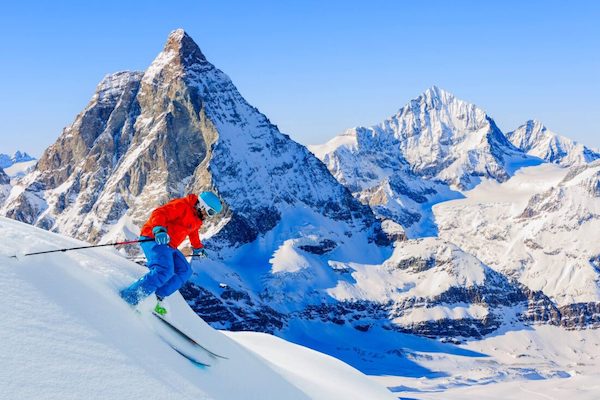

Switzerland isn’t just about chocolate and watches—although those are pretty great too. It’s a country that offers a smorgasbord of activities, whether you’re an adrenaline junkie, a nature lover, or a history buff. There’s something about the crisp mountain air here that just makes everything feel a little more… alive. So, if you’re pondering what things to do in Switzerland, let’s dive into a few must-sees and must-dos!
Conquer the Swiss Alps
First things first, if you’re an outdoor enthusiast—or just someone who appreciates a good view—you simply can’t miss the Swiss Alps. Skiing and snowboarding are the obvious choices, but don’t overlook the magic of a summer hike. Imagine this: you, standing on a mountain peak, the world sprawling below like your personal postcard. It’s exhilarating, to say the least.
Best Spots for Hiking
- Zermatt: With the iconic Matterhorn as a backdrop, this town offers trails for every skill level.
- Jungfrau Region: Known for its dramatic scenery—think Eiger, Mönch, and Jungfrau peaks.
- Engadine: Less crowded but equally stunning, with trails winding through lush valleys and mirror-like lakes.
Explore Swiss Cities
You can’t spend all your time in the mountains (well, you could, but variety is the spice of life). Switzerland’s cities are something to behold. They blend the old and the new in the most charming way. Each city has its own personality, a unique vibe that draws you in.
Must-Visit Swiss Cities
- Zurich: A hub of finance and culture, Zurich’s old town and vibrant nightlife shouldn’t be missed.
- Geneva: Home to international organizations, it offers beautiful lakeside promenades and a rich history.
- Lucerne: Nestled by Lake Lucerne with its preserved medieval architecture, it looks straight out of a fairy tale.
Indulge in Swiss Cuisine
Okay, let’s talk food—because who doesn’t love a good meal? Swiss cuisine is a delightful mix of German, French, and Italian influences, with a few Swiss twists thrown in for good measure. Fondue and raclette might sound cliché, but trust me, they’re worth every cheesy bite.
Treats You Must Try
- Rösti: A hearty dish made of grated potatoes, often served with eggs or cheese.
- Swiss Chocolate: It’s not just a stereotype—it really is some of the best chocolate you’ll ever taste.
- Zürcher Geschnetzeltes: Thinly sliced veal with creamy white wine sauce, usually accompanied by rösti.
Take a Scenic Train Ride
The Glacier Express is more than just a train ride—it’s a front-row seat to some of the most breathtaking landscapes Switzerland has to offer. Winding through deep gorges, lush valleys, and over impressive bridges, it’s a journey that should be on everyone’s bucket list.
Embrace the Lakes
Switzerland’s lakes are a sight to behold. They’re like nature’s mirrors, reflecting the towering peaks and endless sky. Lake Geneva and Lake Lucerne are popular, but don’t sleep on the less crowded spots like Lake Thun and Lake Brienz. Whether you opt for a boat ride or a leisurely stroll along the shore, the tranquility is unrivaled.
FAQ
What is the best time to visit Switzerland?
Switzerland is a year-round destination. For skiing, visit between December and March. If hiking and pleasant weather are more your speed, June through September is ideal.
How can I travel around Switzerland?
Switzerland boasts one of the most efficient public transport systems in the world. Trains, buses, and boats run like clockwork. The Swiss Travel Pass is a great option for unlimited travel.
Are there any cultural etiquettes I should be aware of?
Swiss people value punctuality, so being on time is crucial. Also, greeting with a handshake is customary. In French-speaking areas, cheek-kissing may occur.
Is Switzerland expensive for tourists?
Yes, Switzerland is known for being pricey. However, with some planning—like eating at local bakeries and staying in hostels—you can manage your budget more effectively.
What language is spoken in Switzerland?
Switzerland has four official languages: German, French, Italian, and Romansh. The language varies by region, but English is widely understood.
0 Comment