Austria is one of those destinations that feels calm, organized, and quietly beautiful. It’s known for its historic cities, alpine landscapes, and a strong sense of culture that shows up in everything—from architecture to food to music.
If you’re planning a trip to Austria, you don’t need an overly complicated itinerary. What matters most is knowing where to focus your time, how to move between cities, and how to avoid unnecessary expenses.
Why Visit Austria?
Austria offers a balance that’s hard to find. You get elegant cities like Vienna, charming towns like Salzburg, and easy access to the Alps—all within a relatively small country.
It’s also one of the cleanest and most efficient places to travel in Europe. Public transport works well, cities are easy to walk, and everything feels safe and predictable.
What stands out most is the atmosphere. Austria isn’t loud or chaotic. It’s more about enjoying the details—coffee houses, classical music, scenic train rides, and quiet mountain views.
Best Places to Visit in Austria
Vienna
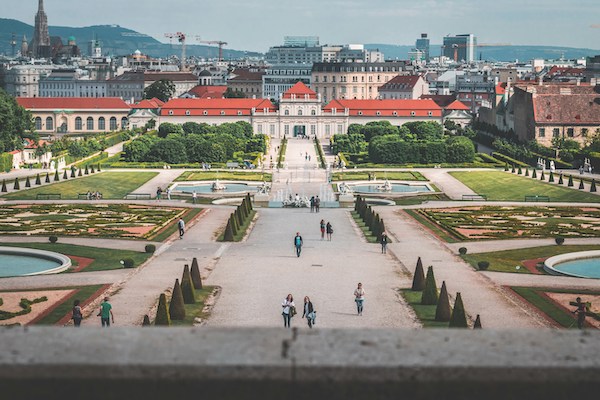
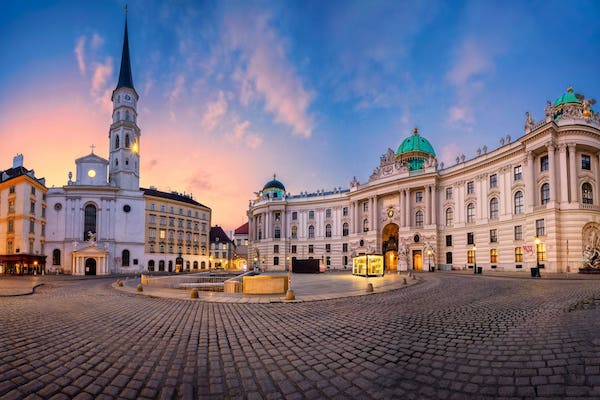
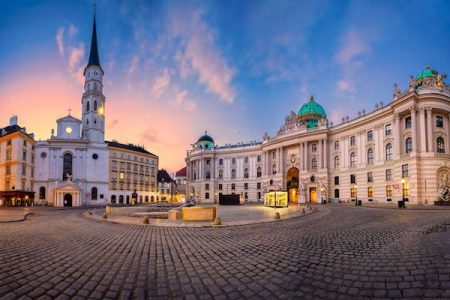
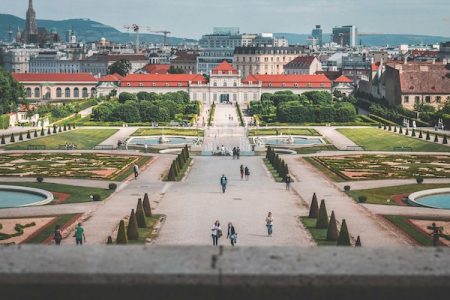
Vienna is the capital and usually the starting point. It’s known for its imperial history, museums, and classic coffee culture.
- Schönbrunn Palace
- St. Stephen’s Cathedral
- Vienna State Opera
Tip: Take time to sit in a traditional café—it’s part of the experience, not just a quick stop.
Salzburg
Salzburg feels smaller and more relaxed. It’s famous as the birthplace of Mozart and for its baroque architecture.
The old town is compact and easy to explore on foot.
Hallstatt
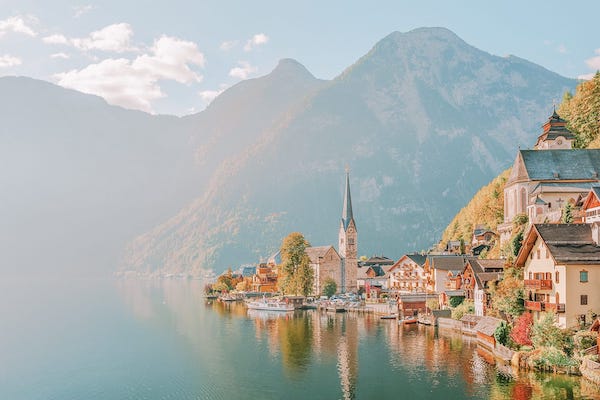
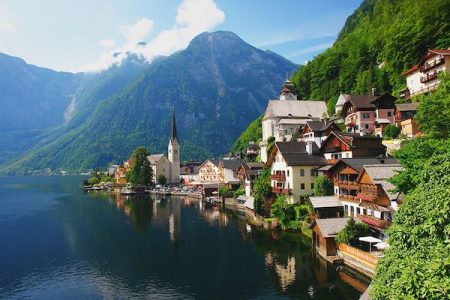
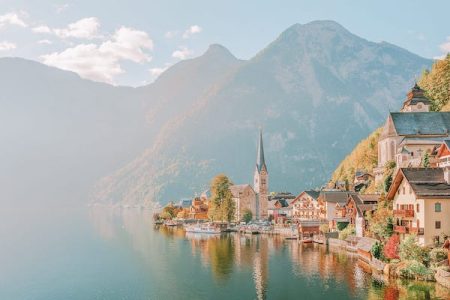
Hallstatt is one of the most photographed villages in Europe. It sits by a lake with mountains all around.
Tip: Visit early in the morning or later in the evening to avoid crowds.
Innsbruck
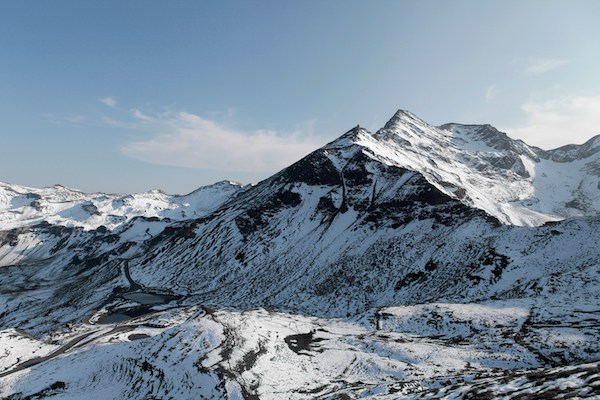
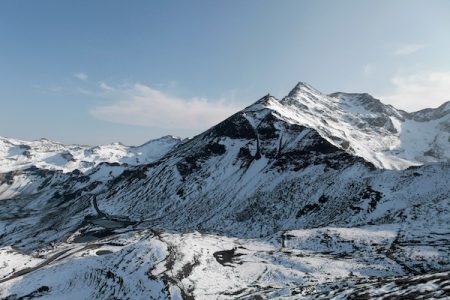
Located in the Alps, Innsbruck is perfect for mountain views and outdoor activities. It’s a great base for skiing in winter and hiking in summer.
Graz
Graz is less crowded than Vienna or Salzburg but still full of history and culture. It’s a good option if you want something quieter.
When Is the Best Time to Visit Austria?
Austria is a year-round destination.
- Spring (April–June): Mild weather, fewer crowds
- Summer (July–September): Best for sightseeing and outdoor activities
- Winter (December–March): Ideal for skiing and Christmas markets
Winter has a special atmosphere, especially in cities like Vienna and Salzburg.
Getting to Austria and Finding Flights
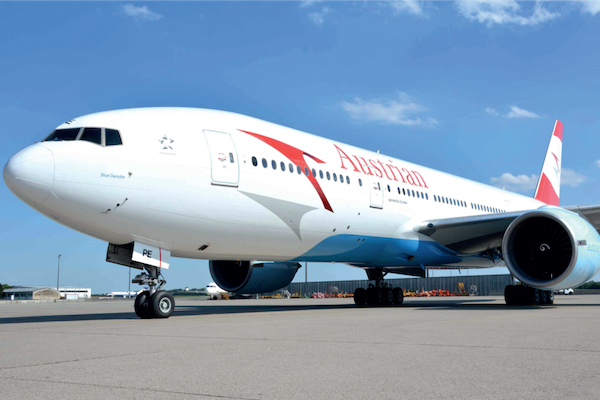
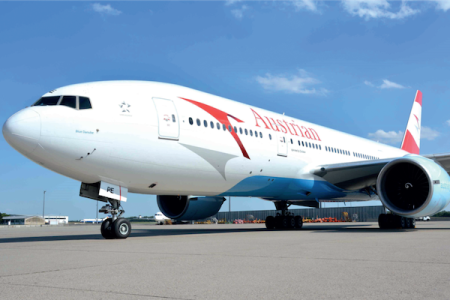
Austria is well connected, with Vienna International Airport as the main hub. Salzburg and Innsbruck also have smaller airports.
If you’re comparing flight options, using a tool like Mosaferan can help you quickly see different airlines and routes.
You can also check available flights here to compare prices and travel times before booking.
Cost of Traveling in Austria
Austria is moderately priced compared to Western Europe.
Accommodation
- Budget: $80–130 per night
- Mid-range: $150–250
- Luxury: $300+
Food
- Casual meals: $10–20
- Restaurants: $20–40
- Fine dining: $60+
Tip: Lunch menus are often cheaper than dinner.
Transportation
Trains and public transport are efficient and reasonably priced. You don’t need a car for most trips.
Getting Around Austria
The train system connects all major cities and towns. It’s reliable, clean, and easy to use.
For shorter distances, trams and buses work well inside cities.
Tip: Book train tickets in advance for better prices.
Culture and Etiquette in Austria
Austrians value politeness, punctuality, and structure.
- Be on time
- Greet people when entering shops
- Keep noise levels low in public spaces
It’s a formal culture compared to some countries, but still welcoming.
What to Eat in Austria
Austrian food is hearty and traditional.
- Wiener Schnitzel: Breaded and fried meat
- Apfelstrudel: Apple pastry dessert
- Sachertorte: Chocolate cake
- Goulash: Rich meat stew
Tip: Try local bakeries—they’re often better than restaurants for quick meals.
Practical Tips for Visiting Austria
1. Plan Your Cities
Focus on 2–3 main destinations if you have limited time.
2. Use Public Transport
It’s efficient and saves money compared to renting a car.
3. Carry Some Cash
Cards are common, but smaller places may prefer cash.
4. Book Early
Popular areas can fill up quickly, especially in peak seasons.
5. Dress for the Weather
Conditions can change, especially in the mountains.
Is Austria Worth Visiting?
Yes, especially if you enjoy a mix of culture, nature, and a relaxed travel pace.
Austria doesn’t try to overwhelm you—it’s more about quality than quantity. You’ll notice the details, and that’s what makes the experience memorable.
FAQ About Austria
How many days do you need in Austria?
5 to 8 days is enough to explore a few key cities.
Is Austria expensive?
It’s moderate—more affordable than Switzerland but more expensive than Eastern Europe.
Do you need a visa for Austria?
Many travelers can enter visa-free for short stays, depending on nationality.
What is the best way to travel within Austria?
Trains are the easiest and most reliable option.
Is Austria safe?
Yes, it’s considered very safe for tourists.
Planning a trip to Austria is straightforward. Once you understand how to move around and where to focus your time, it becomes an easy and enjoyable destination to explore.