
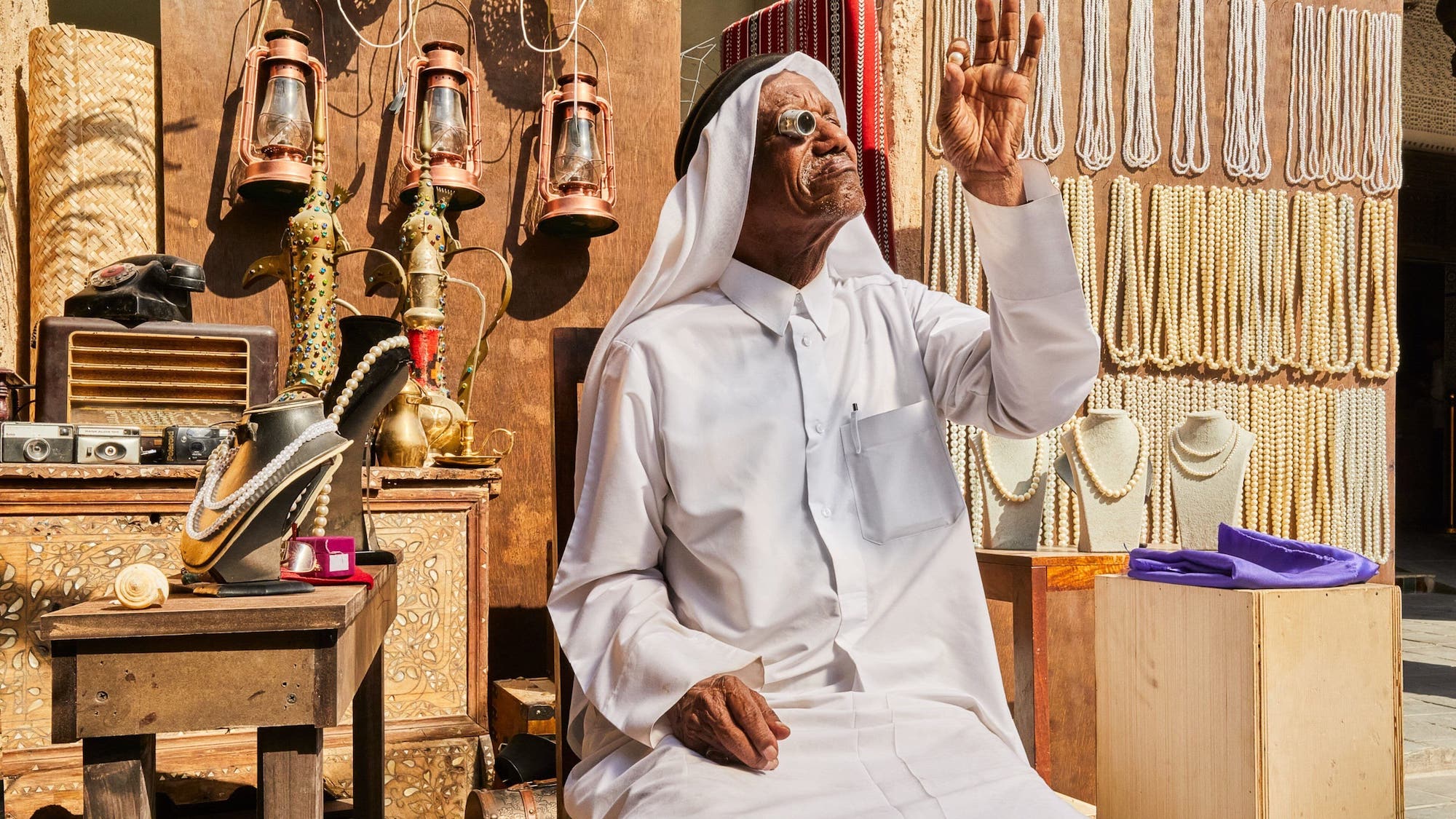

When you think of Qatar, what comes to mind? Perhaps you imagine the gleaming skyscrapers of Doha or the bustling souqs filled with vibrant spices and fabrics. But there’s so much more beneath the surface. Qatar culture and traditions are a captivating blend of old and new, where ancient customs meet modern innovation. Let’s take a closer look at what makes this small yet fascinating country tick.
The Heartbeat of Qatari Life: Family and Hospitality
In Qatar, family is the cornerstone of society. It’s common for extended families to live close together, maintaining strong ties and support networks. This deep-rooted sense of family permeates every aspect of life here. Have you ever visited a Qatari home? If you do, prepare to be welcomed with open arms — hospitality is not just a customary practice, but a core value.
Guests are cherished and treated with utmost respect. You’ll be offered coffee, often flavored with cardamom, and delicious dates. It’s not just about offering food or drink; it’s about extending warmth and making you feel part of the family. Isn’t it refreshing in a world that’s often too rushed?
Traditions Woven into Daily Life
Traditions in Qatar aren’t just reserved for special occasions; they’re seamlessly integrated into daily life. One such tradition is the wearing of the thobe and abaya. These traditional garments are not only a nod to the past but also a symbol of cultural pride and identity.
The Significance of Majlis
Another unique aspect of Qatari culture is the majlis. This is more than just a sitting room; it’s a space where men gather to discuss everything from politics to poetry. It’s a tradition that fosters community dialogue and connection. Can you imagine a place where people gather just to talk and share ideas openly?
Festivals: Celebrations of Heritage
Festivals in Qatar are grand affairs that reflect the country’s cultural richness. During Ramadan, for instance, the community comes together to break the fast with iftar meals. And let’s not forget the colorful National Day celebrations, where the streets of Doha are awash with music, parades, and fireworks.
The Eid al-Fitr and Eid al-Adha festivals are also pivotal. They are times of reflection, charity, and celebration, where families come together to enjoy sumptuous feasts. It’s a time when the importance of giving and community spirit truly shine.
Traditional Arts and Crafts: A Living Heritage
Qatar’s rich tapestry of arts and crafts is a testament to its cultural heritage. From intricate hand-woven textiles to delicate calligraphy, these crafts are passed down through generations. Visiting a local artisan can feel like stepping back in time, where each piece tells a story of heritage and skill.
The Art of Falconry
Then, there’s the fascinating world of falconry. This isn’t just a sport; it’s an art that has been practiced for centuries. Falcons are revered in Qatari culture and symbolize prowess and tradition. Watching a skilled falconer is like witnessing poetry in motion.
FAQ: Unpacking Qatar Culture and Traditions
What is the role of family in Qatari culture?
Family is the cornerstone of Qatari society. Extended families often live close to one another and maintain strong bonds. The family unit is central to social structure, emphasizing mutual support and respect.
How important is hospitality in Qatar?
Hospitality is a vital aspect of Qatari culture. Guests are treated with the utmost respect and generosity. Offering coffee and dates is a traditional gesture of welcome and friendship.
What traditional clothing is commonly worn in Qatar?
Men typically wear the thobe, a long white garment, while women wear the abaya, a long black robe. These garments are worn as a sign of cultural identity and pride.
Why is falconry significant in Qatar?
Falconry is a revered tradition in Qatar, symbolizing cultural heritage and skill. It is both a sport and an art form, with falcons being highly valued and cared for.
How are festivals celebrated in Qatar?
Festivals in Qatar, such as Ramadan, National Day, and Eid, are celebrated with community gatherings, feasts, and cultural events. These celebrations highlight the importance of community and tradition.
What are some traditional Qatari arts and crafts?
Qatari arts and crafts include hand-woven textiles, calligraphy, and pottery. These crafts are important cultural symbols and are often passed down through generations.
0 Comment