
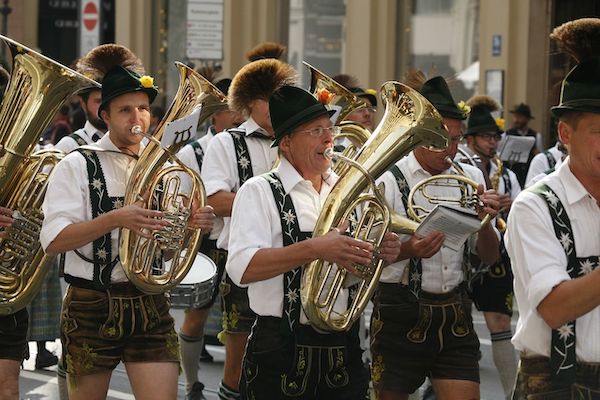

When you think of Germany, what springs to mind? Perhaps it’s the iconic Oktoberfest, the world-renowned celebration of beer, or maybe the enchanting Christmas markets that light up the winter nights. Germany’s culture and traditions are as diverse as they are fascinating, weaving together a rich history with vibrant modern life.
Historical Influences on German Culture
Germany’s past is a tapestry of historical events that have shaped its culture over centuries. From the Roman Empire to the Reformation and the tumult of the 20th century, each era has left its mark. You might say that history is Germany’s backbone—integral to understanding its present identity.
For instance, the impact of the Protestant Reformation is still felt today, influencing the country’s social norms and educational systems. Visiting a traditional German town, you can almost feel the echoes of history in the cobblestone streets and timber-framed houses.
Celebrations and Festivals
If there’s one thing Germans know how to do, it’s celebrate. Let’s start with the Oktoberfest. Held annually in Munich, this festival is more than just beer tents and lederhosen—it’s a testament to German camaraderie and joy. You might not know this, but Oktoberfest began as a royal wedding celebration over 200 years ago. Since then, it has evolved into a global phenomenon.
Then there are the Christmas markets. Picture this: a snowy evening, the air filled with the scent of roasted chestnuts and mulled wine. These markets, known as Christkindlmarkts, are scattered across Germany, from bustling Berlin to charming Nuremberg. They’re not just about shopping—they’re about experiencing the warmth of the season.
The Unmissable Karneval
Let’s not forget Karneval, or Fasching, a time when cities like Cologne burst into life with parades and costumes. It’s like Halloween met Mardi Gras and decided to party in Germany. This tradition, rooted in medieval times, is a reminder that Germans know how to embrace fun with open arms.
Art, Music, and Literature
Germany has given the world geniuses like Beethoven, Goethe, and the Bauhaus movement—each contributing indelibly to global culture. Walking through Berlin, you’ll find art galleries and music venues that are testament to a nation that treasures creativity.
The literary tradition is alive and well, too. Germans have a deep love for literature, with events like the Frankfurt Book Fair drawing crowds from across the globe. It’s as if every German home has a bookshelf crammed with stories waiting to be discovered.
German Cuisine: More Than Just Sausages
Ah, German food—often overshadowed by its European neighbors yet rich with its own unique flavors. Sure, sausages and pretzels are iconic, but have you tried a hearty serving of sauerbraten or a slice of Black Forest cake?
Regional variations abound, from the fish dishes of the north to the Bavarian specialties in the south. And don’t forget the beer. Germany’s beer purity law, dating back to 1516, is a testament to the nation’s commitment to quality—a tradition that continues to this day.
FAQ: Understanding Germany’s Culture and Traditions
What is the significance of Oktoberfest in Germany?
Oktoberfest began as a wedding celebration for Bavarian royalty in 1810. Over time, it evolved into a global festival celebrating Bavarian culture, attracting millions of visitors each year who enjoy traditional music, food, and, of course, beer.
How do Germans celebrate Christmas?
Christmas in Germany is known for its festive markets, or Christkindlmarkts, where locals buy handmade crafts and enjoy festive foods. Advent calendars, St. Nicholas Day on December 6th, and the importance of family gatherings are also significant aspects of the holiday.
What role does music play in German culture?
Music is integral to German culture, with a rich tradition in classical music thanks to composers like Beethoven and Bach. Today, Germany enjoys a diverse musical scene, from orchestras to techno, reflecting its dynamic cultural landscape.
Are there any unique German traditions for New Year’s Eve?
New Year’s Eve, or Silvester, is celebrated with fireworks and gatherings. A unique tradition is “Bleigießen,” where people melt lead and pour it into water to predict the future. It’s a mix of fun and superstition that many Germans enjoy.
How does Germany preserve its cultural heritage?
Germany is committed to preserving its heritage through numerous museums, cultural events, and educational programs. Sites like the UNESCO-listed Cologne Cathedral and the Berlin Museum Island are examples of efforts to maintain historical and cultural treasures.
0 Comment