
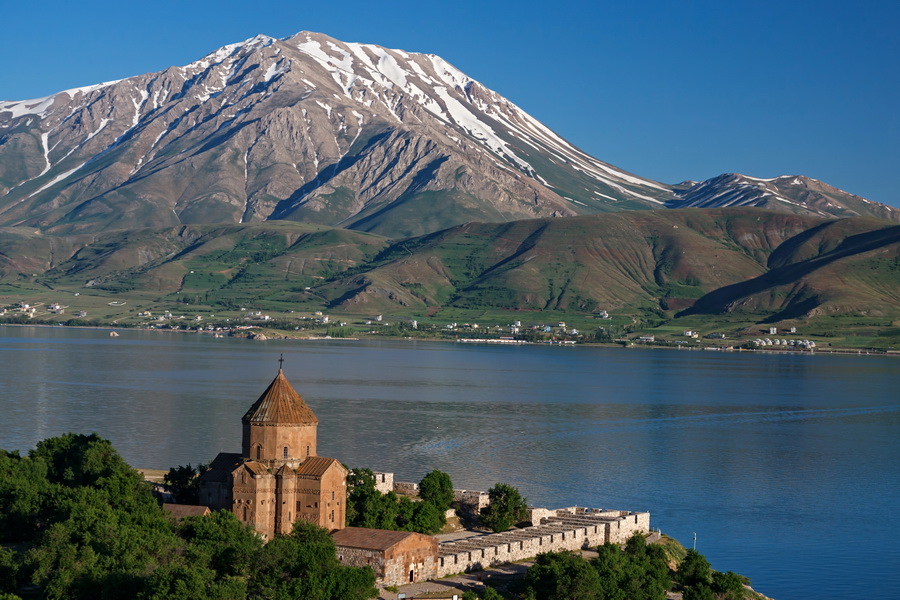

So, you’re thinking about visiting Turkey. Lucky you! This enchanting country straddles two continents, offering a mesmerizing blend of cultures, landscapes, and history. But when is the best time to travel to Turkey? Well, it depends on what you’re after. Whether it’s sunbathing in Antalya, exploring the vibrant streets of Istanbul, or skiing in the mountains, Turkey has a season for you.
Spring: A Blooming Marvel
Ah, springtime in Turkey! From March to May, the country awakens from its winter slumber. The weather is mild, the landscapes are lush with blooming flowers, and the tourist hordes haven’t yet arrived. If you enjoy outdoor activities, this might just be your sweet spot. Imagine wandering through the fairy chimneys of Cappadocia or strolling the ancient ruins of Ephesus amidst vibrant spring flowers.
One of my favorite memories is sipping Turkish tea at a quaint café in Istanbul, watching the tulips bloom in all their glory — it’s like a postcard come to life. If this sounds appealing, consider visiting during this magical season.
Summer: Sun, Sea, and Sand
June through August is peak tourist season. The coastal areas, like Bodrum and Antalya, are buzzing with energy. The Mediterranean and Aegean coasts are sun-drenched and perfect for those who love the beach. But, beware, it can get quite hot — temperatures often soar into the 30s °C (over 86°F).
While the coastal regions are delightful, the interior can be sweltering. If you’re a history buff planning to visit sites like the ancient city of Troy, you might want to pack extra water and a hat. However, if you’re a beach lover, there’s no better time to enjoy the clear waters.
Autumn: A Golden Retreat
September to November is another favorite time for many to visit Turkey. The crowds thin out, the weather cools a tad, and the landscapes are painted with autumn hues. What a perfect backdrop for exploring the country’s rich history!
One autumn, I found myself wandering through the markets of Izmir, relishing the fresh produce and exquisite spices. Autumn offers a quieter, more intimate travel experience. If you’re into culinary delights, this is harvest season, and the local markets are a feast for the senses.
Winter: A Snowy Wonderland
If you’re into winter sports, Turkey’s lesser-known ski resorts, like Uludağ near Bursa, await you from December to February. And let’s not forget Istanbul — seeing the city dusted with snow is truly magical, providing a different kind of romance.
The winter months are also a time when you can experience Turkey’s cultural richness indoors. Think of cozy evenings in a traditional hammam or exploring the opulent palaces of Istanbul without the bustling summer crowds. It’s a different side of Turkey, quieter but just as captivating.
Frequently Asked Questions
What is the best time to visit Turkey for a beach holiday?
If sun, sea, and sand are your priorities, then the summer months (June to August) are ideal. The coastal areas are warm and sunny, offering perfect beach conditions.
When should I visit Turkey to avoid crowds?
Consider visiting during the shoulder seasons, such as spring (March to May) or autumn (September to November). The weather is pleasant, and popular tourist sites are less crowded.
Is winter a good time to visit Turkey?
Absolutely! Winter offers a unique charm, especially if you enjoy skiing or want to see Turkey’s cultural sites without the crowds. Plus, cities like Istanbul have a special allure in the snow.
How is the weather in Turkey during spring?
Spring weather in Turkey is generally mild and comfortable. Temperatures range from 15°C to 25°C (59°F to 77°F), making it perfect for outdoor activities and exploring.
Are there any major events or festivals in Turkey?
Turkey hosts a multitude of events year-round, such as the Istanbul Tulip Festival in April and the Antalya Film Festival in October. It’s worth checking local calendars for specific dates.
What’s the best way to travel around Turkey?
Turkey’s transport system is well-developed, with options ranging from domestic flights for longer distances to buses and trains for shorter trips. Renting a car can also be a great choice if you prefer flexibility.
0 Comment